
Forms and evolution
A family name is not a plan. Pick the form you want and the later record it should become, then farm. Scorchhowl and Inferlupa do not finish the same team.

Name the form and the later record first. Materials come after that choice.
- 01Form, stage, evolution
- 02Scorchhowl or Inferlupa
- 03What an evolution can require
- 04Does this branch help?
Form, stage, and evolution
Form is the version in front of you: Basic Emberpup, Highland Emberpup, Mountain Woods Emberpup. Stage is how far that family has grown. Evolution is the path that connects those records. Start on the evolution directory.
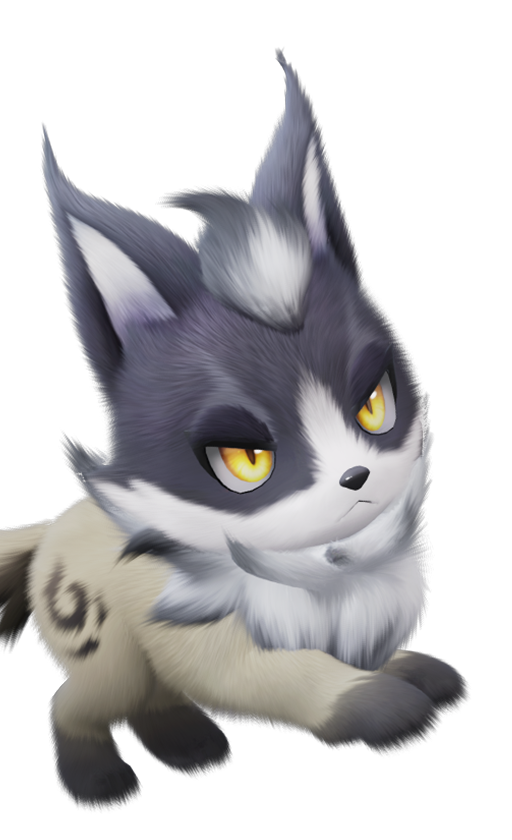
A new portrait can change more than looks. Highland Emberpup adds Rock and lives in Zephyrus Landbridge and Russet Highlands. Mountain Woods Emberpup stays Fire/DPS and is listed only in Beast Fang Ridge. Those are different hunts.
Open the base profile and the later records before you spend stones. You are choosing a job, not finishing a sticker book.
| You want to know | Open this | Do not assume |
|---|---|---|
| Which version am I hunting? | Form and habitat | The base name covers every variation |
| What can this family become? | Evolution path | There is only one endpoint |
| What changes in a fight? | Element, role, trait, skills | A new portrait is cosmetic |
| What do I spend? | The live evolution screen | A material name is the full recipe |
Emberpup's three forms
One name, three field records. A worked example of “Form, stage, and evolution”, not a new plan.
The base Emberpup record is Fire/DPS and appears across Nimbus Fields, Mistwoods, The Argent Strait, Echoback Landing, and Beast Fang Ridge. The Highland record adds Rock to the element line and points to Zephyrus Landbridge and Russet Highlands. The Mountain Woods record stays Fire/DPS but narrows the listed habitat to Beast Fang Ridge. Those differences are already enough to change a hunt.
If you want the Highland version, searching every Emberpup marker is wasted effort. Start from its two listed regions and compare the Fire/Rock profile with the Fire-only base record before deciding that the rarer-looking form is automatically better. Added coverage can help one matchup while adding another resistance problem elsewhere.
The Mountain Woods version is a different decision again. Its value may be the exact form you want or the Beast Fang Ridge route it gives you, not an extra element. Treating all three as one checkbox hides the part of collection and planning that is actually interesting.
| Record | Element / role | Listed habitat | Player decision |
|---|---|---|---|
| Emberpup · Basic | Fire / DPS | Nimbus Fields, Mistwoods, Argent Strait, Echoback Landing, Beast Fang Ridge | The broadest starting hunt and the cleanest Fire comparison |
| Emberpup · Highland | Fire + Rock / DPS | Zephyrus Landbridge, Russet Highlands | A separate route and matchup profile |
| Emberpup · Mountain Woods | Fire / DPS | Beast Fang Ridge | A form-specific collection target in one listed habitat |

Scorchhowl or Inferlupa
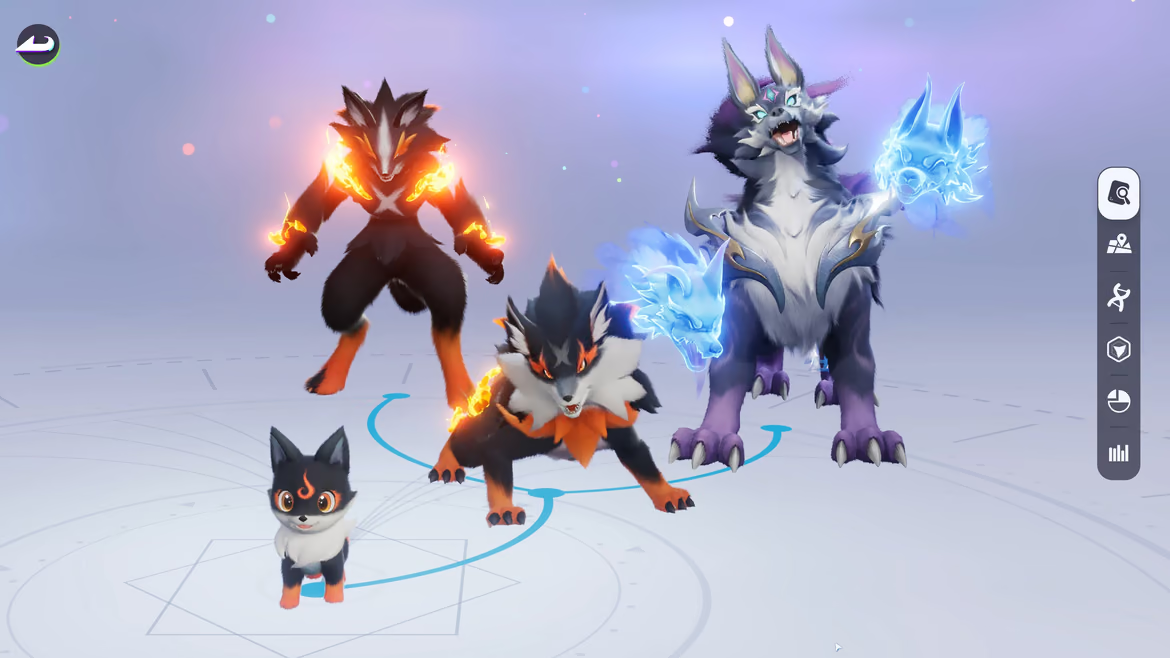
Emberpup grows into Flameruff, then splits. Scorchhowl stays Fire DPS (physical attack 115). Inferlupa is Fire/Dark BREAK, with magic attack 113 and the Full Energy trait: after eight basic attacks, the next skill counts as basic-attack damage and Unbroken Flameruff Spirit ricochets more times.
If you kept the family for direct Fire damage, Scorchhowl is the continuation. If the party already hits hard and cannot open a target, Inferlupa is the record to test. Compare both profiles before you farm.
Skippy’s family splits the same way: Glacy and Leafy are different jobs, not two skins of Pranky.
Stage-three records
The later branch is the real commitment. A worked example of “Scorchhowl or Inferlupa”, not a new plan.
The published family line begins Emberpup → Flameruff, then reaches two stage-three records: Scorchhowl and Inferlupa. Scorchhowl remains a Fire DPS record. Inferlupa is Fire/Dark, carries a BREAK role, and lists Full Energy as its trait. That is not a cosmetic fork; it is a choice between continuing the family's familiar job and moving the slot toward another team function.
Open both destinations before farming. If the party already has dependable damage but struggles to create an opening, Inferlupa's BREAK label deserves a test. If the reason you kept the family was its direct Fire damage, Scorchhowl is the cleaner continuation to inspect. The correct branch is the one that answers the party you actually use, not the one that looks furthest from the starting portrait.
Material records should come after that decision. The database can show the items and evolution links currently stored, but a name in a catalogue is not proof of a complete live recipe. Confirm the final quantities in the current game screen before spending or committing to a long route.

| Destination | Stored identity | Choose it when… | Verify before investing |
|---|---|---|---|
| Scorchhowl | Stage 3 · Fire · DPS | You want to continue the family's direct Fire job | Current evolution requirements and the skills you plan to use |
| Inferlupa | Stage 3 · Fire/Dark · BREAK · Full Energy | The party needs a different element line or more BREAK pressure | Current branch condition, materials, and how Full Energy fits the rotation |
What an evolution can require
Most evolutions mix three kinds of requirement. The destination may need a boss, Journey, or Sanctum to exist. The copy you evolve may need a level, form, weather, personality, or Pathfinder talent. Then there is the material payment, often elemental stones, sometimes a species item. Material records help you recognize names; they are not a complete recipe.
Unlocking a branch does not evolve the Aniimo. Beating the boss only makes the destination available. The copy still has to meet its own conditions and pay the listed cost.
If a gate is missing from this site’s records, stop there. Keep the candidate in the team and confirm the live screen before a long farm.
- 01
Name the destination
Write Scorchhowl or Inferlupa — not ‘finish Emberpup’.
- 02
Check the copy you have
Form, level, and any personality or talent the screen names.
- 03
Clear the world unlock
Boss, Journey, or Sanctum listed on that branch.
- 04
Farm the payment last
Stones and unique items only after the other two gates are real.
Does this branch help the team?
Evolving looks like progress. It only helps if the later record solves a problem you already have: a resisted element, weak BREAK, or a trait that never fires. Combat is the test, not the portrait.
Drop your current four into Team Builder, add the later record, and ask what it covers that is not covered now. If the answer is only ‘it is stage 3’, that is a collection choice. Both are fine. Name which one you are doing.
Keep a short note: destination, why, and what is still missing. When you come back in a few sessions, you will know whether the branch still fits the team you actually play.
Quick answers
Does Emberpup have more than one final form?
Yes. After Flameruff it splits into Scorchhowl (Fire DPS) and Inferlupa (Fire/Dark BREAK). Compare both before spending materials.
Does beating a boss automatically evolve an Aniimo?
No. A boss or Journey unlocks the destination. The copy you evolve still needs its own level, form, and materials.
Are regional forms just cosmetic?
Not always. Highland Emberpup is Fire/Rock and uses different habitats from the Basic and Mountain Woods records. Check the form page before you hunt.
Where do evolution stones come from?
Confirm the live evolution screen for the exact stones. This site’s material records can name items; they should not replace the current in-game cost.